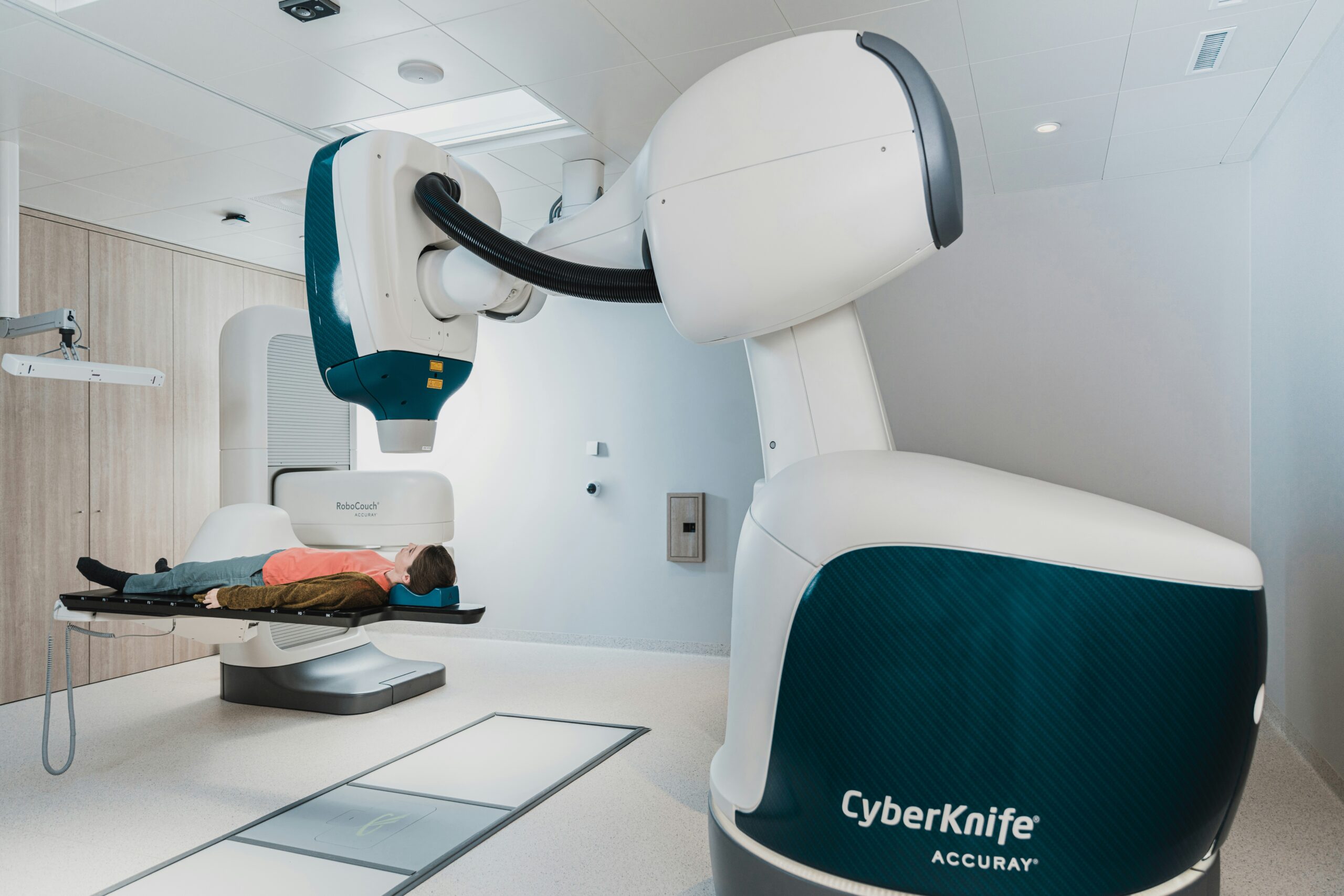
The future of medicine no longer feels distant. Instead, it shows up in hospitals, labs, clinics, wearable devices, and even smartphone-connected tools that help people understand their health faster than ever. Today, new medical innovations help doctors detect disease earlier, personalize treatments, reduce risk, and improve everyday patient care.
Moreover, medical technology now moves at a pace that once seemed impossible. Artificial intelligence supports faster image review. Gene editing gives scientists new ways to treat inherited diseases. Blood-based screening tools make some cancer checks more accessible. In addition, personalized vaccines and smart devices point toward a healthcare system that acts earlier and responds more precisely.
However, the real excitement comes from one major shift: medicine now focuses more on prediction, prevention, and personalization. As a result, patients can expect a future where treatment fits their biology, doctors use deeper data, and healthcare teams make decisions with stronger support.
AI in Healthcare Changes the Speed of Diagnosis
Artificial intelligence has become one of the most powerful forces in modern medicine. In many settings, AI helps clinicians examine medical images, detect patterns, organize data, and identify concerns that may need urgent attention. Therefore, AI in healthcare does not simply add convenience. It helps medical teams work faster and more carefully.
The FDA maintains a public list of AI-enabled medical devices authorized for marketing in the United States, and the agency says this list helps providers and patients identify devices that use AI technologies. In addition, the FDA encourages the development of innovative, safe, and effective medical devices that incorporate artificial intelligence.
Gene Editing Opens a New Chapter in Treatment
Gene editing stands among the most game-changing medical innovations in healthcare. Instead of only treating symptoms, gene editing aims to correct or change disease-driving biology at its source. That goal once sounded futuristic. Now, it has entered real-world medicine.
In December 2023, the FDA approved Casgevy and Lyfgenia as the first cell-based gene therapies for sickle cell disease in patients 12 and older. Additionally, the FDA identified Casgevy as the first FDA-approved treatment to use CRISPR/Cas9 genome editing technology.
This breakthrough matters because sickle cell disease can cause severe pain, organ damage, and life-threatening complications. Therefore, therapies that target blood stem cells may transform care for eligible patients. In the Casgevy process, clinicians modify a patient’s blood stem cells with CRISPR/Cas9, then return those cells so the body can produce more fetal hemoglobin, which helps prevent red blood cells from sickling.
Cancer Care Becomes More Personalized
Cancer treatment has changed dramatically, and personalized medicine now drives some of the most exciting progress. Instead of treating every tumor the same way, doctors increasingly study each cancer’s mutations, proteins, immune signals, and growth patterns. As a result, they can choose therapies that more closely match the disease.
One remarkable example involves engineered immune cells. In August 2024, the FDA approved Tecelra for certain adults with unresectable or metastatic synovial sarcoma who have previously received chemotherapy. The FDA also described Tecelra as the first FDA-approved T-cell receptor (TCR) gene therapy.
Blood Tests Make Screening More Accessible
Early detection saves lives, yet many people delay screening because tests feel uncomfortable, expensive, or hard to schedule. For that reason, blood-based screening represents another major medical technology trend.
The FDA describes Shield as a blood test for adults 45 and older at average risk for colorectal cancer who need screening. The test looks for cancer-related DNA changes in blood, including mutations, methylation, and fragmentation patterns.
In addition, the FDA notes that Shield does not replace diagnostic colonoscopy or surveillance colonoscopy for people at high risk. Positive results should lead to a diagnostic colonoscopy, and negative results do not guarantee that someone does not have colorectal cancer.
Digital Health Brings Care Closer to Daily Life
Digital health innovation connects medicine to everyday routines. Wearables, remote monitoring tools, smart sensors, and connected apps can track heart rhythms, glucose trends, sleep patterns, blood pressure, oxygen levels, medication habits, and recovery signals. Therefore, care can extend beyond the clinic visit.
In addition, remote monitoring can help doctors spot changes before symptoms become serious. For patients with chronic conditions, this support can encourage faster communication and better management. For example, a patient with heart concerns may share rhythm data with a care team. Meanwhile, a person managing diabetes may use continuous glucose monitoring data to adjust their habits under professional guidance.
New Drugs Redefine What Treatment Can Do
Medication innovation also continues to reshape care. Some drugs now affect more than one condition, and researchers continue to find new uses for advanced therapies. For instance, metabolic medicines have changed conversations about obesity, diabetes, heart risk, and sleep-related breathing problems.
In December 2024, the FDA approved Zepbound, also known as tirzepatide, for moderate-to-severe obstructive sleep apnea in adults with obesity, to be used alongside a reduced-calorie diet and increased physical activity. The FDA called this the first drug treatment option for certain patients with obstructive sleep apnea.
3D Printing and Immersive Tools Improve Precision
Beyond drugs and diagnostics, new medical innovations also improve how surgeons plan and perform care. 3D printing helps create orthopedic and cranial implants, surgical instruments, dental restorations, and external prosthetics, according to the FDA.
As a result, medical teams can design tools and devices that better match individual anatomy. In addition, augmented reality and virtual reality can support training, procedure planning, and rehabilitation. The FDA also encourages the development of safe and effective medical devices that incorporate AR and VR.
Consequently, healthcare innovation now reaches the operating room, the dental office, the rehabilitation center, and the medical classroom. Better visualization can improve planning, while custom devices can improve fit and function.
What Patients Should Expect Next
The future of medicine will not replace doctors with machines. Instead, it will give healthcare teams stronger tools. AI will help organize complex information. Gene editing will target specific inherited conditions. Personalized cancer therapy will train the immune system with greater precision. Digital health tools will keep patients connected between visits. Meanwhile, advanced screening may help catch the disease earlier.
However, patients should stay informed and ask thoughtful questions. New technology can deliver incredible benefits, yet every innovation needs evidence, regulation, equity, privacy protection, and careful medical guidance. Therefore, the best future will combine human compassion with scientific power.
Ultimately, these new medical innovations show that healthcare has entered a remarkable era. The future of medicine is here, and it promises smarter care, earlier answers, more personalized treatment, and better possibilities for patients everywhere.