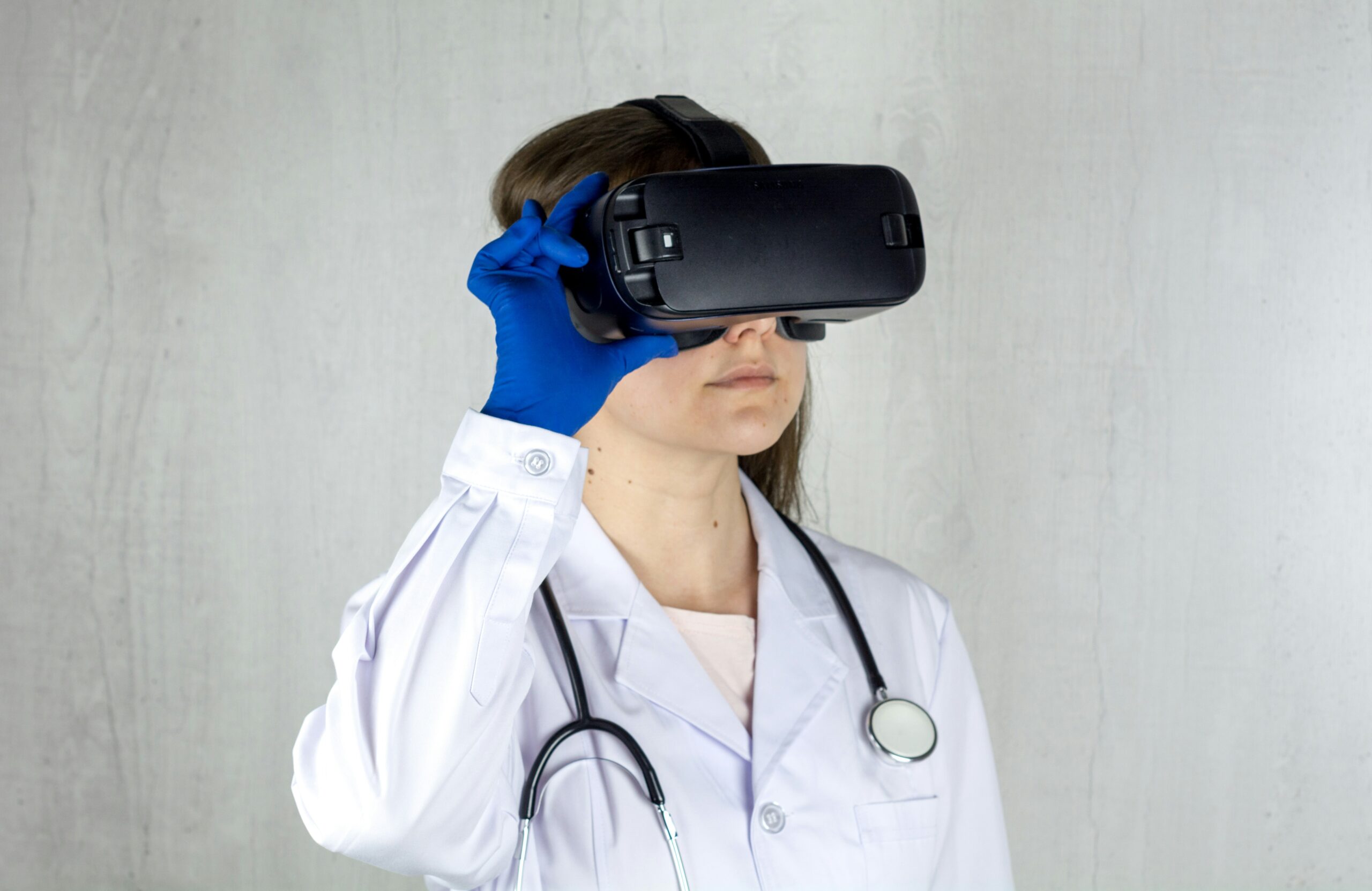
The healthcare industry is evolving at an unprecedented pace, driven by technological innovations that are reshaping how care is delivered, managed, and experienced. From immersive digital tools to intelligent data-driven systems, modern medicine is becoming more precise, accessible, and patient-centered. As a result, both providers and patients are benefiting from faster diagnoses, personalized treatments, and improved outcomes.
Below are ten game-changing technologies that are redefining healthcare today, illustrating how innovation continues to bridge gaps and elevate the quality of care across the globe.
Virtual Reality (VR) in Healthcare
Virtual reality has moved far beyond gaming and entertainment, finding powerful applications in healthcare. It is widely used for medical training, allowing doctors and surgeons to practice complex procedures in realistic, risk-free environments. This hands-on experience improves skill development while reducing errors in real-life situations.
In addition, VR is increasingly applied in pain management and mental health therapy. By immersing patients in calming or controlled virtual environments, healthcare providers can help reduce anxiety, manage chronic pain, and support treatments for conditions like PTSD and phobias.
Telemedicine
Telemedicine has revolutionized access to healthcare by enabling remote consultations between patients and providers. Through video calls, mobile apps, and secure messaging platforms, patients can receive medical advice without traveling long distances. This is especially valuable for individuals in rural or underserved areas.
Moreover, telemedicine improves continuity of care by making follow-ups more convenient. As a result, patients are more likely to adhere to treatment plans, while providers can monitor conditions efficiently and respond quickly to emerging health concerns.
Artificial Intelligence (AI) and Machine Learning
Artificial intelligence is transforming diagnostics and decision-making in healthcare. By analyzing vast amounts of medical data, AI systems can detect patterns that might be missed by human clinicians. This leads to earlier diagnoses and more accurate treatment recommendations.
At the same time, machine learning algorithms support predictive analytics, helping hospitals anticipate patient needs and optimize workflows. Consequently, healthcare systems become more efficient while maintaining high standards of patient care.
Wearable Health Technology
Wearable devices such as smartwatches and fitness trackers are empowering individuals to take control of their health. These devices monitor vital signs like heart rate, activity levels, and sleep patterns in real time. As a result, users gain valuable insights into their daily habits and overall well-being.
Beyond personal use, wearable technology plays a crucial role in clinical settings. Doctors can remotely monitor patients with chronic conditions, enabling early intervention and reducing hospital readmissions.
Electronic Health Records (EHRs)
Electronic health records have replaced traditional paper files, streamlining the storage and sharing of patient information. With EHRs, healthcare providers can access comprehensive medical histories instantly, improving coordination across different departments and facilities.
Furthermore, EHRs enhance patient safety by reducing medication errors and duplicative tests. Since data is centralized and updated in real time, clinicians can make informed decisions more quickly and confidently.
Robotics in Surgery and Care
Robotic technology has significantly advanced surgical precision and patient outcomes. Robotic-assisted surgeries allow for minimally invasive procedures, resulting in smaller incisions, less pain, and faster recovery times. Surgeons benefit from enhanced control and visualization during complex operations.
In addition to surgery, robots are being used in rehabilitation and elderly care. These systems assist patients with mobility, therapy exercises, and daily tasks, improving independence and quality of life.
3D Printing in Medicine
3D printing is transforming how medical devices and implants are created. Custom prosthetics, dental implants, and even surgical tools can now be produced quickly and tailored to individual patients. This customization improves comfort and functionality.
Moreover, 3D printing supports medical research and education. Anatomical models help doctors plan surgeries more effectively, while students gain hands-on learning experiences that closely mimic real-life scenarios.
Big Data and Health Analytics
Big data analytics enables healthcare organizations to process and analyze massive datasets from various sources. By examining trends and outcomes, providers can identify risk factors and improve population health management strategies.
Additionally, health analytics supports evidence-based decision-making. Hospitals can reduce costs, improve resource allocation, and enhance patient satisfaction by relying on data-driven insights.
Internet of Medical Things (IoMT)
The Internet of Medical Things connects medical devices through the internet, creating a network of smart healthcare systems. Connected devices such as remote monitors and smart infusion pumps continuously collect and share patient data.
As a result, clinicians can track patient conditions in real time and respond promptly to changes. This connectivity improves patient safety while enabling more proactive and personalized care.
Precision and Genomic Medicine
Precision medicine tailors treatments based on an individual’s genetic makeup, lifestyle, and environment. Advances in genomic sequencing allow doctors to identify genetic risks and select therapies that are more effective and less invasive.
Over time, genomic medicine is expected to transform disease prevention and treatment. By focusing on personalized care rather than generalized approaches, healthcare can become more targeted, efficient, and impactful.
These ten game-changing healthcare technologies are redefining the future of modern medicine by improving patient care, clinical efficiency, and medical innovation. From virtual reality in healthcare training to telemedicine platforms, artificial intelligence diagnostics, wearable health devices, and precision medicine, technology-driven healthcare solutions are making treatment more accessible, accurate, and personalized. As digital health transformation continues to accelerate, hospitals, providers, and patients who embrace these advanced healthcare technologies will benefit from improved outcomes, reduced costs, and a smarter, data-driven healthcare system built for the future.