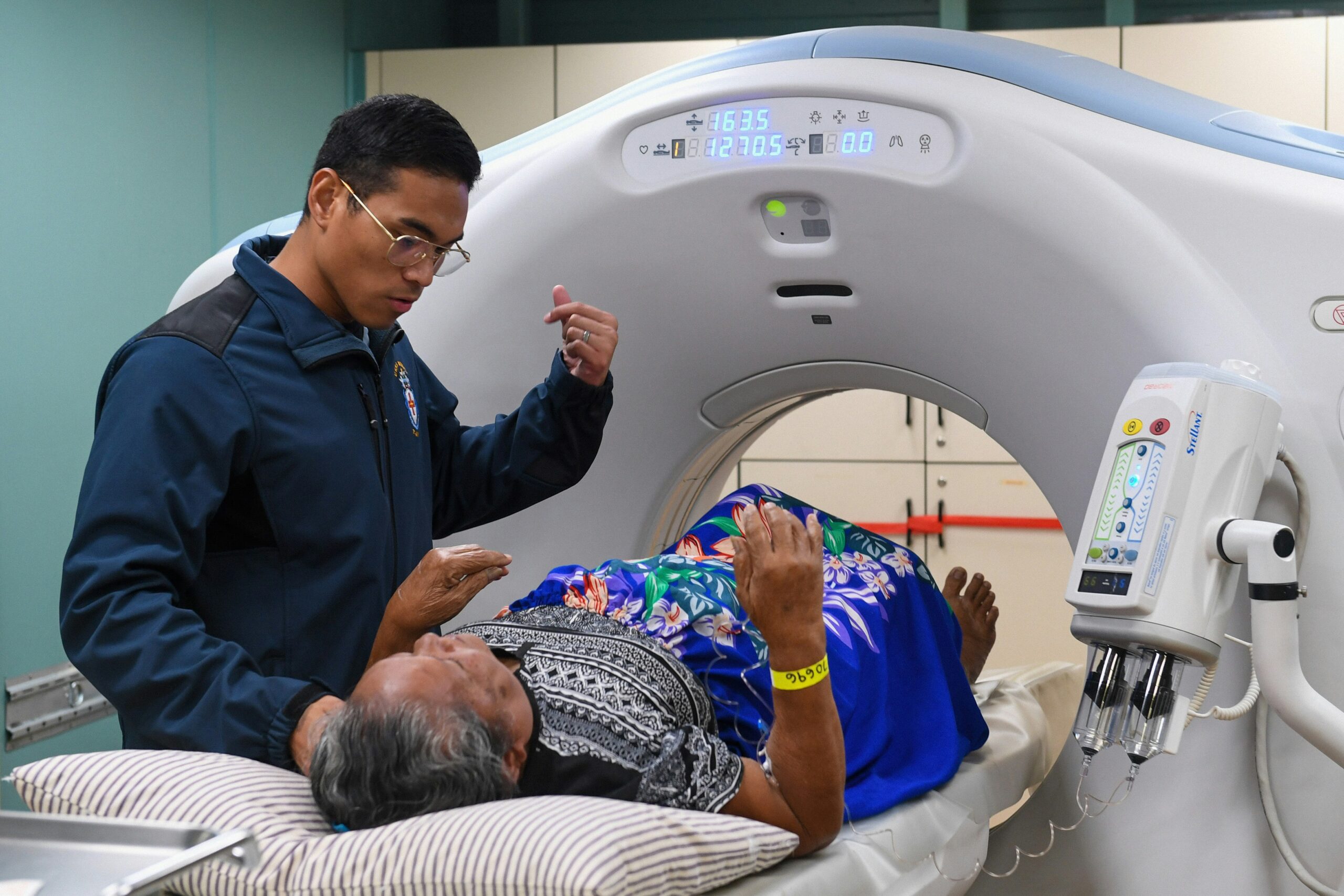
Healthcare is changing fast, and patient care technology sits at the center of this shift. Patients now expect clear access, steady support, and timely answers. Clinicians also seek tools that help them act with confidence. Because innovation keeps moving forward, care delivery feels more personal, more responsive, and more connected than ever before.
Moreover, technology no longer stays behind the scenes. Instead, it shapes each moment of care, from intake to recovery. As a result, hospitals and clinics rely on intelligent systems that guide decisions and reduce strain. Although change can feel complex, the goal remains simple. Better tools help people heal with dignity and trust.
How digital systems improve everyday patient experiences
Patient care technology improves daily experiences by making care easier to access and understand. For example, digital portals allow people to check records, message care teams, and manage appointments with ease. Therefore, patients feel informed rather than confused.
Meanwhile, clinicians benefit as well. When systems share data clearly, teams avoid delays and missteps. Because information flows smoothly, providers spend more time listening and less time searching. As a result, trust grows on both sides of the relationship.
Additionally, real-time updates reduce stress during treatment. Families stay aware of progress, and patients gain confidence. Although technology cannot replace human compassion, it supports it in meaningful ways.
The role of data in personalized treatment
Data plays a vital role in patient care technology because it supports tailored treatment. When systems gather accurate details, clinicians can spot patterns and adjust care plans quickly. Consequently, treatment aligns more closely with individual needs.
Furthermore, predictive insights help teams act early. Instead of reacting late, clinicians anticipate risks and guide patients toward healthier paths. Because of this shift, outcomes improve while costs remain controlled.
However, personalization also depends on clarity. Technology must present insights in simple ways. When tools remain easy to use, clinicians trust them. Therefore, intelligent design matters as much as smart data.
Remote care and the rise of connected support
Remote care has become a core part of patient care technology. Through virtual visits, people receive guidance without travel or long waits. As a result, access expands for rural communities and busy families.
Moreover, connected devices allow continuous support. Wearable tools track wellness signs and send updates to care teams. Because of this constant link, clinicians respond faster when concerns arise.
Although remote care cannot serve every case, it works well for follow-ups and routine guidance. Therefore, healthcare systems blend in-person care with digital support. This balance creates flexibility while protecting quality.
Artificial intelligence as a clinical partner
Artificial intelligence enhances patient care technology by assisting with clinical decision-making. Instead of replacing professionals, it supports them. For instance, intelligent systems review images and records to highlight concerns. Consequently, clinicians confirm findings faster and with greater accuracy.
In addition, automation reduces routine tasks. Because systems handle scheduling and documentation, clinicians focus on care. As a result, burnout decreases while satisfaction grows.
However, trust remains essential. Developers must ensure transparency and fairness. When teams understand how tools work, they adopt them with confidence. Therefore, education and design remain critical.
Improving safety through intelligent monitoring
Safety stands as a key benefit of patient care technology. Intelligent monitoring systems track vital signs and alert teams to changes. Therefore, clinicians act before minor issues grow serious.
Moreover, medication systems reduce errors by guiding correct doses and timing. Because checks occur automatically, mistakes drop. Patients then feel safer and more secure.
Although no system guarantees perfection, technology adds a strong safety net. When combined with skilled care, it protects lives and builds confidence across healthcare settings.
Empowering patients through knowledge and access
Patient care technology empowers people by giving them knowledge. When patients understand their conditions, they participate more fully in care. As a result, adherence improves, and outcomes rise.
Furthermore, education tools adapt to learning styles. Videos, messages, and simple dashboards explain complex topics with ease. Because information feels clear, fear fades.
In addition, access to records supports shared decisions. Patients and clinicians discuss options openly. Therefore, care becomes a partnership rather than a directive.
Challenges and responsible adoption
Despite its promise, patient care technology brings challenges. Privacy concerns require strong safeguards. Because trust matters deeply, systems must protect sensitive data at all times.
Moreover, adoption requires training and support. Clinicians need time to learn new tools. Therefore, leaders must invest in change management and feedback.
However, these challenges remain manageable. With clear goals and thoughtful design, technology supports care rather than complicates it. As a result, progress continues with purpose.
The future of patient-centered innovation
The future of patient care technology looks bright because innovation aligns with human needs. Systems grow smarter, yet more intuitive. Therefore, care feels seamless rather than technical.
Moreover, collaboration drives progress. Clinicians, technologists, and patients shape tools together. Because of this shared effort, solutions stay grounded in real experience.
Although healthcare will always face pressure, technology offers resilience. When used wisely, it strengthens care delivery and restores focus on healing.
Patient care technology continues to transform healthcare in powerful ways. By improving access, personalization, safety, and engagement, it reshapes how people experience care. Moreover, it supports clinicians by reducing strain and enhancing insight.
As innovation moves forward, success depends on balance. Technology must serve people, not overshadow them. Therefore, thoughtful adoption and clear purpose remain essential.
In the end, patient care technology stands as a bridge between compassion and progress. When guided with care, it helps healthcare systems deliver better outcomes and stronger trust for all.