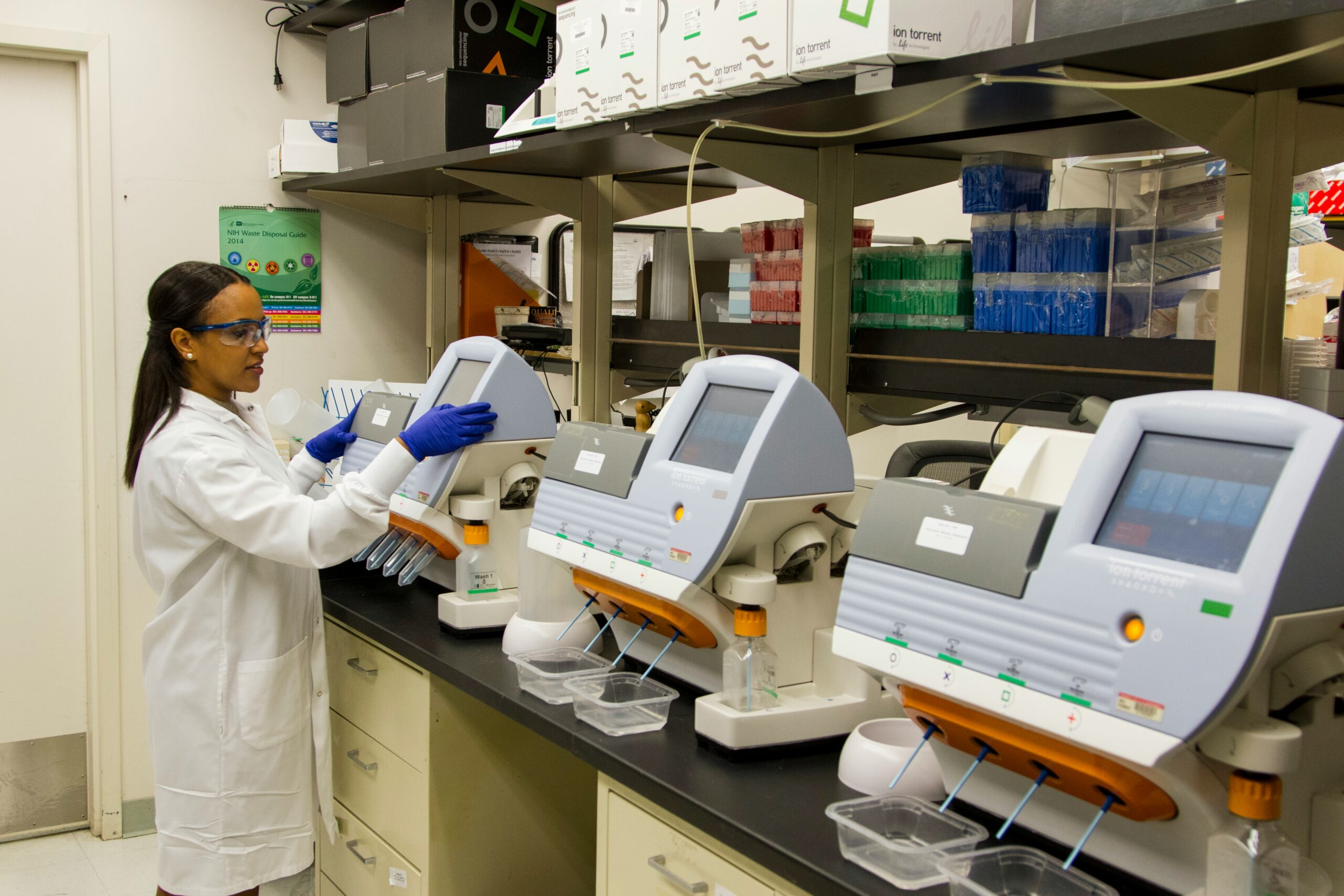
High-quality healthcare depends on the right tools, in the right hands, at the right time. Medical devices for patient care play a vital role in improving diagnosis, treatment accuracy, and overall patient outcomes. As healthcare environments become increasingly demanding, medical professionals need reliable, innovative, and efficient devices that enable better decision-making and compassionate care.
Medical devices for patient care are no longer optional upgrades. Instead, they form the backbone of modern clinical practice. When doctors, nurses, and clinicians use the right technology, they reduce errors, improve efficiency, and build stronger patient trust. This guide explores must-have medical devices that every medical professional needs to deliver better patient care in today’s fast-changing healthcare landscape.
Diagnostic Medical Devices for Patient Care
Accurate diagnosis sets the foundation for effective treatment. Medical devices for patient care, such as digital imaging tools, diagnostic scanners, and advanced examination equipment, enable clinicians to identify conditions early and with confidence. Precise data leads to faster decisions, which improve patient outcomes and reduce unnecessary testing.
Moreover, modern diagnostic devices integrate seamlessly with digital health systems. As a result, medical professionals can access patient data quickly and share findings across care teams. This connected approach strengthens collaboration and supports timely, informed treatment plans.
Smart Patient Monitoring Medical Devices
Continuous monitoring improves patient safety and clinical awareness. Medical devices for patient care that track vital signs in real time help clinicians detect changes before they become emergencies. These tools support proactive care instead of reactive responses.
At the same time, intelligent monitoring reduces manual workload. Because devices automatically collect and transmit data, medical professionals have more time for direct patient interaction. Therefore, patient care becomes both more efficient and more personal.
Medical Devices for Patient Care in Emergency Settings
Emergency care demands speed, precision, and reliability. Medical devices used in patient care for urgent situations support rapid stabilization and life-saving interventions. These tools help clinicians act decisively when every moment matters.
In addition, emergency medical devices often feature intuitive designs. As a result, healthcare professionals can operate them quickly under pressure. This ease of use improves response times and strengthens patient survival outcomes.
Medical Devices for Patient Care in Treatment Delivery
Treatment accuracy directly affects recovery and safety. Medical devices used in patient care for therapy and medication delivery ensure consistency and precision. When clinicians rely on advanced treatment tools, they reduce errors and improve patient confidence.
Furthermore, smart treatment devices provide real-time feedback. This feature allows medical professionals to adjust care plans quickly when patient conditions change. Consequently, treatment becomes more responsive and personalized.
Digital Medical Devices for Patient Care
Digital transformation reshapes healthcare delivery. Medical devices for patient care that connect to electronic health systems improve documentation, data accuracy, and care coordination. These tools eliminate guesswork and reduce administrative stress.
At the same time, digital devices support remote collaboration. Medical professionals can securely share patient information and consult specialists without delay. Therefore, patients benefit from faster diagnoses and more comprehensive care.
Medical Devices for Patient Care in Chronic Disease Management
Chronic conditions require consistent monitoring and long-term planning. Medical devices for patient care help clinicians track progress and adjust treatment over time. These tools provide valuable insights into patient trends and adherence.
As a result, medical professionals can intervene early when issues arise. Chronic disease management becomes more proactive and patient-centered, thereby improving quality of life and reducing hospital visits.
Medical Devices for Patient Care in Telehealth
Virtual care continues to expand access to healthcare services. Medical devices for patient care designed for telehealth support remote examinations and consultations. These tools allow clinicians to assess patients without in-person visits accurately.
In addition, telehealth devices strengthen continuity of care. Patients stay connected to healthcare providers, while clinicians maintain oversight and treatment quality. Consequently, healthcare delivery becomes more flexible and inclusive.
Medical Devices for Patient Care in Surgical Support
Surgical precision improves patient safety and recovery. Medical devices used in patient care in surgical settings enhance control, visibility, and accuracy. These tools support minimally invasive procedures and reduce complications.
Moreover, advanced surgical devices improve clinician comfort and performance. By reducing physical strain and enhancing focus, they help surgeons deliver consistent and high-quality care throughout complex procedures.
Medical Devices for Patient Care and Infection Control
Patient safety depends on strict infection prevention. Medical devices for patient care that support sterilization, hygiene, and contamination control reduce healthcare-associated infections. These tools protect both patients and medical staff.
At the same time, infection control devices streamline clinical workflows. Medical professionals can maintain safety standards without slowing down care delivery. Therefore, healthcare environments remain efficient and secure.
Medical Devices for Patient Care and Patient Engagement
Engaged patients experience better outcomes. Medical devices for patient care that support education and communication help patients understand their conditions and treatments. Clear information builds trust and cooperation.
In turn, medical professionals benefit from improved adherence and satisfaction. When patients participate actively in care, treatment plans become more effective and sustainable.
The Role of Medical Devices for Patient Care in Future Healthcare
Healthcare continues to evolve rapidly. Medical devices for patient care now emphasize connectivity, intelligence, and adaptability. Professionals who invest in modern tools stay prepared for future challenges and innovations.
Because technology shapes patient expectations, clinicians must adapt. Medical devices for patient care help professionals meet rising standards while maintaining empathy and quality. As a result, healthcare becomes more effective and human-centered.
Medical devices for patient care define the quality and efficiency of modern healthcare. When medical professionals use the right tools, they improve accuracy, safety, and patient satisfaction. These devices support better decisions, smoother workflows, and stronger patient relationships.
As healthcare demands grow, medical devices for patient care remain essential—professionals who embrace advanced technology position themselves to deliver better patient care today and in the future.