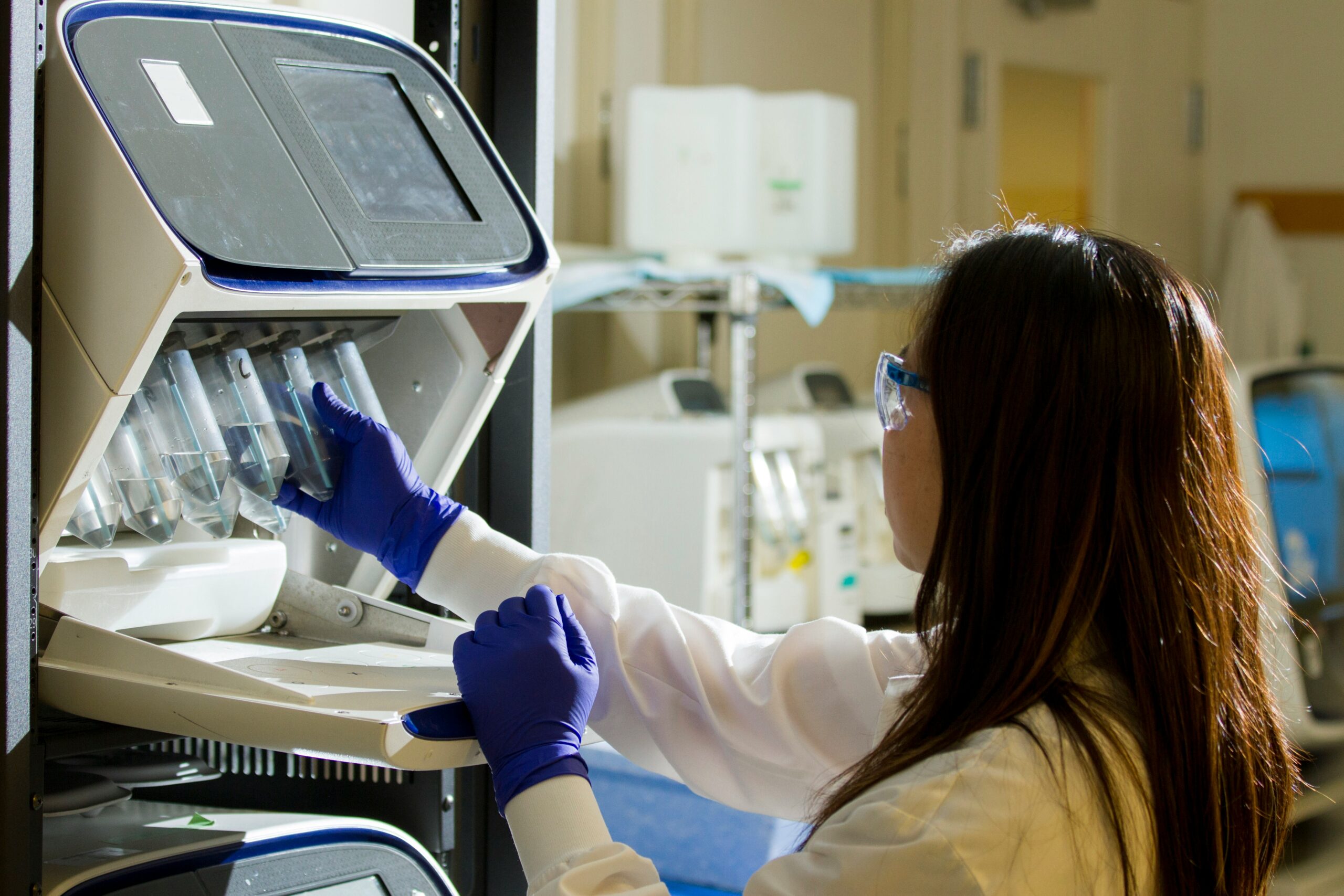
Advanced medical devices have transformed the healthcare industry in remarkable ways. Healthcare professionals now rely on sophisticated technologies to diagnose illnesses, monitor patients, perform treatments, and improve overall patient outcomes. As technology continues to evolve, these devices help healthcare organizations deliver safer, faster, and more effective care.
Modern healthcare depends on innovation. Physicians, nurses, technicians, and specialists use advanced medical devices every day to make informed decisions and provide high-quality treatment. Moreover, these technologies improve efficiency, reduce errors, and support personalized care. As a result, patients benefit from better experiences and stronger health outcomes.
The growing influence of advanced medical devices continues to reshape healthcare systems around the world. Therefore, understanding their role is essential for healthcare professionals, administrators, and patients alike.
The Evolution of Advanced Medical Devices
Medical technology has changed significantly over the years. Early healthcare tools provided basic support for diagnosis and treatment. However, modern devices now offer sophisticated capabilities that improve nearly every aspect of patient care.
Advanced medical devices combine precision engineering, digital technology, and data analysis. Consequently, healthcare professionals can gather detailed information about patient conditions and respond more effectively. These innovations help providers deliver care with greater confidence and accuracy.
As healthcare challenges become more complex, advanced medical devices continue to evolve. Therefore, they remain critical components of modern healthcare systems.
Advanced Medical Devices and Accurate Diagnosis
Accurate diagnosis forms the foundation of effective healthcare. Advanced medical devices help physicians identify diseases earlier and with greater precision. Imaging systems, laboratory analyzers, and diagnostic monitoring equipment provide valuable information that guides treatment decisions.
Modern diagnostic technology allows healthcare professionals to detect conditions before symptoms become severe. As a result, patients can begin treatment sooner and improve their chances of recovery. Early intervention often reduces complications and supports better long-term health outcomes.
Furthermore, advanced medical devices reduce uncertainty during diagnosis. Because providers have access to detailed information, they can develop more targeted treatment plans and improve overall patient care.
Imaging Technology and Healthcare Innovation
Diagnostic imaging remains one of the most important areas of healthcare technology. Advanced medical devices such as MRI scanners, CT scanners, digital X-ray systems, and ultrasound machines help healthcare professionals visualize internal structures with remarkable clarity.
These imaging devices support diagnosis across many medical specialties. Physicians use them to identify injuries, monitor diseases, evaluate organ function, and guide treatment planning. Consequently, imaging technology improves clinical decision-making and patient outcomes.
In addition, modern imaging systems produce faster results and higher-quality images. Therefore, healthcare providers can make timely decisions and begin treatment without unnecessary delays.
Patient Monitoring Systems and Real-Time Care
Patient monitoring systems play a vital role in modern healthcare. These advanced medical devices continuously track vital signs such as heart rate, oxygen levels, blood pressure, and respiratory activity. Because they provide real-time information, healthcare professionals can respond quickly when patient conditions change.
Continuous monitoring improves patient safety across hospitals, clinics, and long-term care facilities. Moreover, healthcare teams can identify warning signs before serious complications develop. This proactive approach supports better outcomes and reduces healthcare risks.
As monitoring technology becomes more sophisticated, healthcare providers gain access to more accurate and detailed patient information. Consequently, they can deliver more personalized and effective care.
Advanced Medical Devices in Surgical Care
Surgical procedures have improved dramatically because of advanced medical devices. Robotic surgical systems, minimally invasive instruments, and high-definition imaging equipment help surgeons perform complex procedures with greater precision.
These technologies benefit both healthcare professionals and patients. Surgeons gain enhanced control and visibility during procedures. Meanwhile, patients often experience smaller incisions, less pain, shorter hospital stays, and faster recovery times.
Furthermore, advanced surgical devices reduce the likelihood of complications. Therefore, they contribute significantly to improved treatment outcomes and higher patient satisfaction.
Wearable Technology and Patient Engagement
Wearable healthcare technology continues to expand throughout the medical industry. Devices such as smart health monitors, heart rhythm trackers, and continuous glucose monitoring systems allow patients to collect health information throughout the day.
These advanced medical devices encourage greater patient involvement in healthcare. Because patients can monitor their health in real time, they become more aware of lifestyle habits and treatment progress. As a result, they often make more informed health decisions.
Healthcare professionals also benefit from wearable technology. The data collected by these devices provides valuable insights that support diagnosis, treatment adjustments, and long-term disease management.
Telehealth and Remote Patient Monitoring
Telehealth has become an essential component of modern healthcare. Advanced medical devices support virtual care by collecting and transmitting patient information directly to healthcare providers. This capability allows healthcare professionals to monitor patient health without requiring frequent office visits.
Remote monitoring devices track important health indicators and alert providers when issues arise. Consequently, healthcare teams can intervene earlier and prevent complications before they become serious.
Additionally, telehealth improves access to care for patients living in remote or underserved areas. Therefore, advanced medical devices help reduce healthcare disparities and improve overall population health.
Artificial Intelligence and Smart Medical Devices
Artificial intelligence continues to transform healthcare technology. Many advanced medical devices now use AI to analyze data, identify patterns, and support clinical decision-making. These systems help healthcare professionals process information more efficiently and accurately.
AI-powered devices assist with imaging analysis, disease detection, patient monitoring, and treatment planning. As a result, healthcare providers can make better-informed decisions and improve patient outcomes.
Although AI enhances healthcare capabilities, healthcare professionals remain responsible for final clinical decisions. Therefore, successful healthcare depends on combining technological innovation with professional expertise.