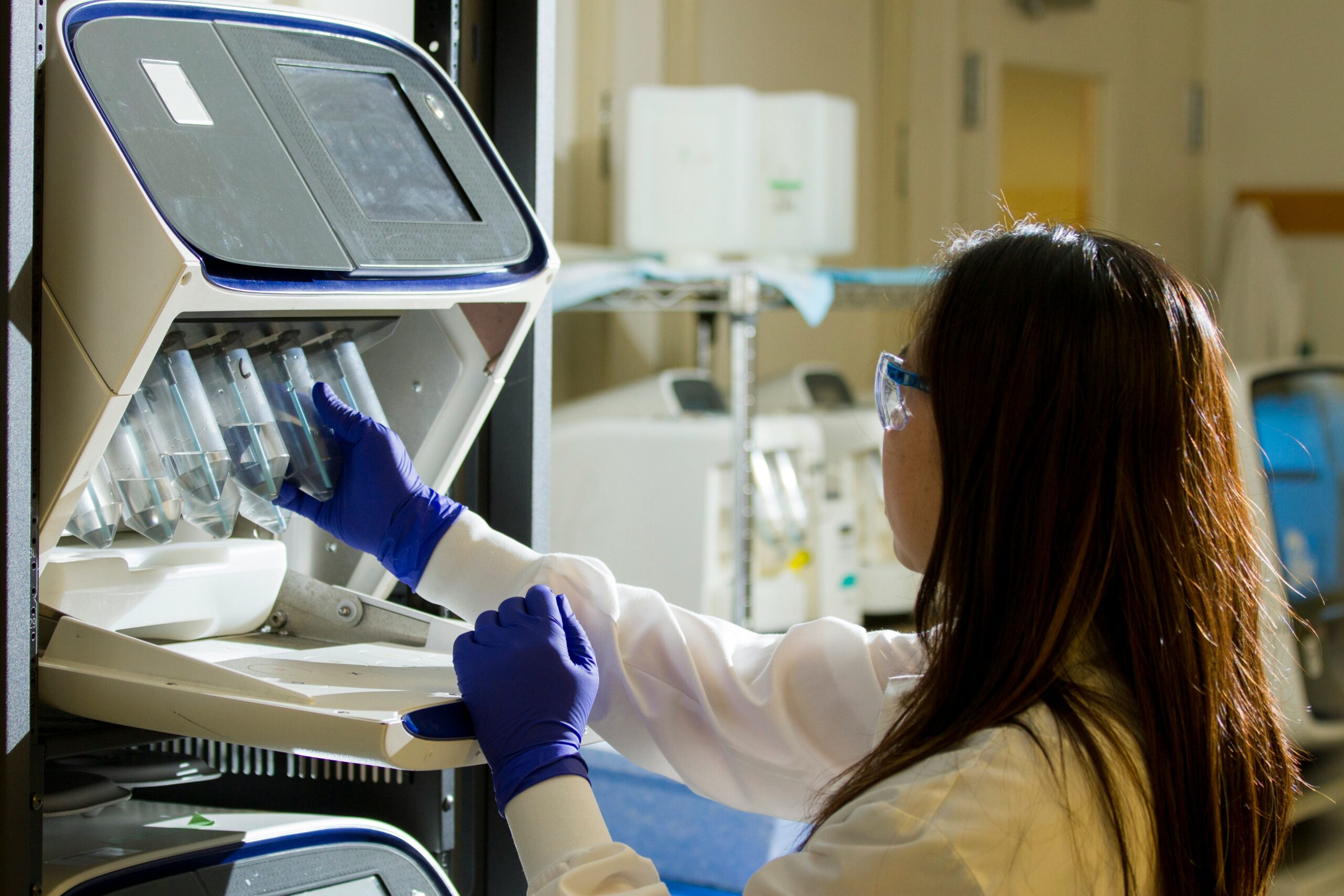
Medical technology continues to reshape the healthcare industry with groundbreaking devices that improve diagnosis, treatment, and patient care. Today, healthcare professionals use advanced medical tools to deliver faster and more accurate services than ever before. Moreover, these innovations help hospitals reduce human error while increasing efficiency in clinical settings. As a result, patients now experience better outcomes and higher-quality care across multiple medical fields.
At the same time, demand for smarter healthcare solutions is growing rapidly worldwide. Consequently, medical technology companies are developing cutting-edge devices that support personalized medicine, remote monitoring, and minimally invasive procedures. From wearable sensors to robotic surgical systems, these technologies are redefining modern medicine and preparing healthcare professionals for a more connected future.
Wearable Medical Devices
Wearable medical devices have become essential tools in modern healthcare. For example, smartwatches and fitness trackers can monitor heart rate, blood oxygen levels, sleep patterns, and physical activity in real time. Furthermore, these devices allow healthcare professionals to continuously track patient health rather than relying solely on occasional checkups. Because of this convenience, doctors can detect health issues earlier and recommend timely treatment plans.
In addition, wearable medical technology supports patients with chronic conditions such as diabetes and heart disease. Continuous glucose monitors help patients with diabetes manage blood sugar levels more effectively, while wearable ECG monitors detect abnormal heart rhythms quickly. Consequently, patients gain greater control over their health, and healthcare providers receive accurate data that improves long-term care management.
Robotic Surgical Systems
Robotic surgical systems are transforming the way surgeons perform complex procedures. Today, many hospitals use robotic-assisted devices to increase precision during surgery and reduce the risk of complications. Moreover, these systems allow surgeons to make smaller incisions, which often leads to less pain and faster patient recovery. As a result, minimally invasive surgery is becoming more common across various medical specialties.
Meanwhile, robotic technology also improves surgical accuracy through advanced imaging and enhanced hand control. Surgeons can perform delicate procedures with greater confidence and stability using robotic arms and high-definition cameras. Therefore, patients often experience shorter hospital stays and lower infection risks after surgery. As medical technology continues to evolve, robotic systems will likely become even more advanced and accessible.
Artificial Intelligence Diagnostic Tools
Artificial intelligence is playing a major role in the development of advanced diagnostic devices. AI-powered systems can analyze medical images, identify disease patterns, and assist healthcare professionals in making faster, more informed decisions. Furthermore, these technologies improve diagnostic accuracy by reducing the risk of human error. Consequently, doctors can detect serious conditions such as cancer, stroke, and heart disease earlier than before.
At the same time, AI diagnostic tools help healthcare facilities efficiently manage large volumes of patient data. Intelligent software can quickly review electronic health records and provide treatment recommendations based on medical history. Additionally, predictive analytics systems help physicians identify high-risk patients before symptoms become severe. Because of these advantages, artificial intelligence is becoming one of the most valuable tools in modern medicine.
Advanced Imaging Technology
Advanced imaging devices are improving the way healthcare professionals diagnose and monitor diseases. Technologies such as 3D imaging, MRI scanners, and portable ultrasound devices provide highly detailed views of the human body. Moreover, these tools help doctors identify medical conditions more accurately and quickly. As a result, patients receive earlier diagnoses and more effective treatment plans.
In addition, portable imaging devices are making healthcare more accessible in remote and emergency settings. Healthcare workers can now perform diagnostic scans outside traditional hospitals using compact and mobile equipment. Consequently, patients in rural areas and in emergencies can receive faster medical evaluations. This growing accessibility is helping healthcare providers deliver quality care to larger populations worldwide.
Smart Implantable Devices
Smart implantable devices are creating new possibilities for treating chronic illnesses and improving patients’ quality of life. Devices such as pacemakers, cochlear implants, and neurostimulators can automatically monitor and regulate body functions. Furthermore, many modern implants connect wirelessly to healthcare systems, enabling doctors to monitor patient conditions remotely. Because of this technology, healthcare providers can respond quickly to potential complications.
Meanwhile, researchers continue to develop next-generation implantable devices with even greater capabilities. Some smart implants can deliver medication directly to targeted areas inside the body, while others can support damaged organs or restore lost functions. Therefore, these medical technology advancements are helping patients live longer, healthier, and more independent lives.
Cutting-edge medical technology devices are transforming the future of healthcare in remarkable ways. Innovations such as wearable monitors, robotic surgical systems, AI diagnostic tools, advanced imaging devices, and smart implants are improving patient care and medical efficiency worldwide. Moreover, these technologies are helping healthcare professionals provide faster, safer, and more personalized treatments.
However, healthcare organizations must continue investing in training, cybersecurity, and ethical practices to maximize the benefits of these advancements. At the same time, medical professionals must stay informed about emerging technologies to adapt successfully to the changing healthcare landscape. Ultimately, cutting-edge medical devices will continue to shape the future of medicine and improve lives worldwide.