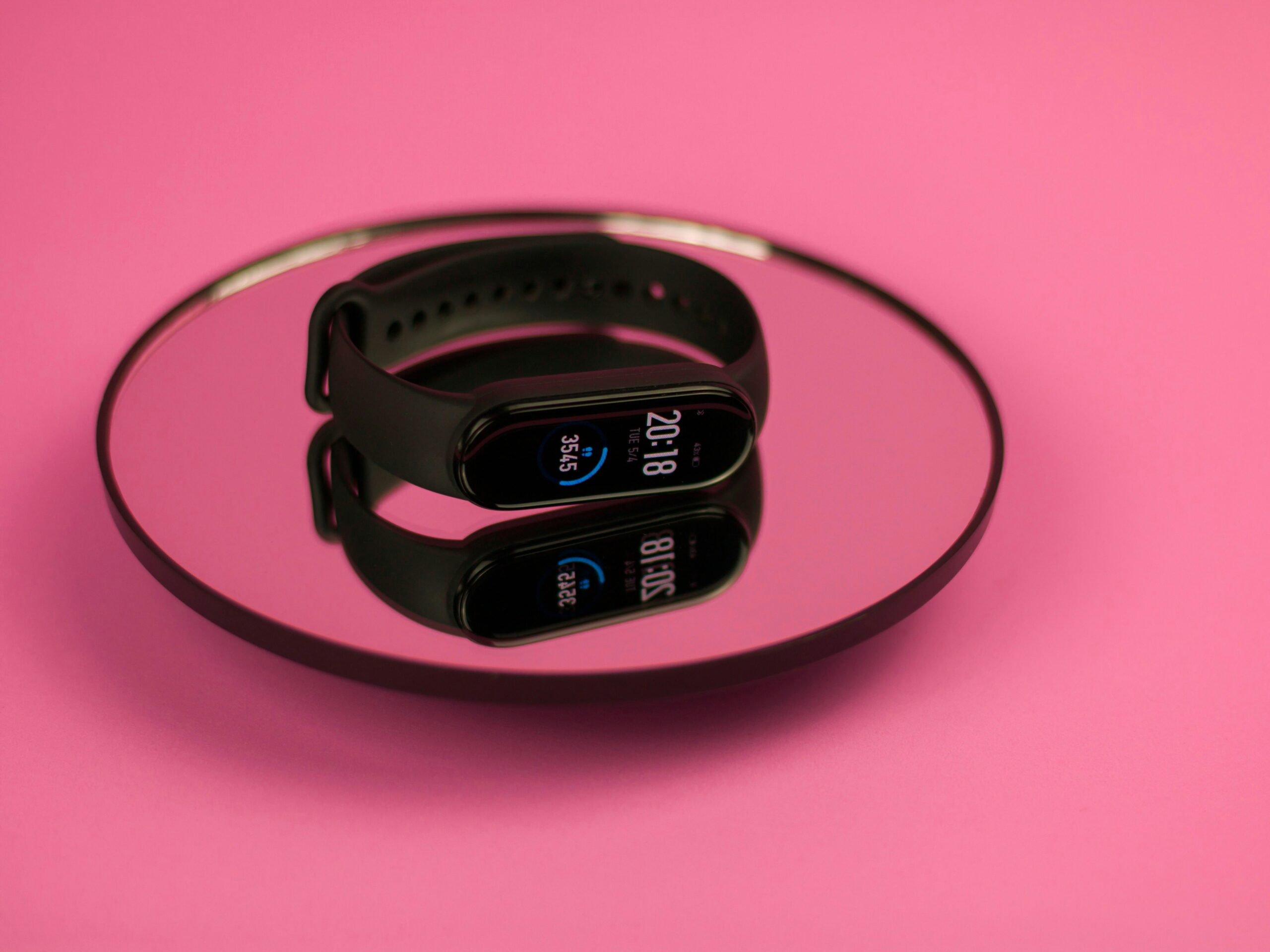
The intersection of technology and healthcare has never been more exciting. With game-changing wearable tech advancing rapidly, individuals can now monitor their health in real time, gaining instant access to critical health metrics and empowering themselves like never before. From smartwatches to biometric patches, wearable technology is redefining how we approach personal health and wellness.
The Rise of Real-Time Health Monitoring
Wearable technology has come a long way from being simple step counters. Today’s devices offer comprehensive insights into everything from heart rate variability to sleep quality and blood oxygen levels. Real-time health monitoring isn’t just a feature anymore—it’s a necessity for people who want to take proactive control of their well-being.
This technology enables continuous tracking of vital signs, allowing early detection of potential health issues. Instead of waiting for annual checkups or symptoms to manifest, users can identify abnormal patterns instantly. This shift toward real-time awareness has ushered in a new era of preventive care.
How Wearable Devices Work
Modern wearable devices integrate advanced sensors and wireless communication systems to gather and transmit data. These devices typically use optical sensors to monitor blood flow, accelerometers to detect movement, and electrodes to track electrical signals from the heart. Through Bluetooth or Wi-Fi, the data syncs to apps that interpret it in meaningful ways.
The accuracy and reliability of these devices have dramatically improved. Thanks to machine learning and artificial intelligence, wearable devices now analyze health trends with a level of precision that rivals some clinical tools. This continuous data collection helps users understand their baseline health, making it easier to catch deviations from the norm.
Personal Empowerment Through Technology
One of the most profound impacts of game-changing wearable tech is its ability it empower individuals. Real-time health data gives people the tools to make better lifestyle decisions. For instance, noticing elevated heart rates during rest might prompt someone to reduce caffeine intake or manage stress more effectively. Similarly, poor sleep metrics could encourage changes in bedtime routines or screen habits.
This empowerment extends to those managing chronic illnesses. People with diabetes can monitor glucose levels more efficiently, patients with cardiovascular conditions can track heart rhythms, and those with respiratory conditions can monitor oxygen saturation levels. With these insights, individuals can partner more effectively with their healthcare providers, improving outcomes and reducing emergency visits.
Revolutionizing Professional Healthcare
While wearable technology benefits individuals, it’s also transforming the healthcare system. Physicians now have access to streams of patient-generated data that offer a more complete picture of health outside clinical settings. This information supports more personalized treatment plans and enhances long-term care strategies.
Remote patient monitoring has also gained momentum, particularly after the COVID-19 pandemic. Hospitals and clinics now deploy wearable tech for post-surgical recovery, chronic disease management, and even mental health tracking. This tech enables medical professionals to monitor patients without frequent in-person visits, optimizing resources and improving patient satisfaction.
The Role of AI and Big Data
Artificial intelligence plays a central role in unlocking the potential of real-time health tracking. Wearable tech generates immense amounts of data, and AI algorithms help identify patterns, predict potential health risks, and recommend actions. These predictive capabilities mean the devices aren’t just reacting to health issues but anticipating them.
Big data analytics further enhances this process by comparing individual health metrics with anonymized population data. This comparative analysis can flag concerns that may not be obvious when looking at a person’s data in isolation. Over time, this makes wearable tech more innovative and more personalized.
Expanding Beyond Fitness Enthusiasts
Initially, wearable devices appealed mainly to fitness buffs tracking their steps, calories, and workout performance. However, the market has significantly expanded. Seniors are using fall detection features. Office workers monitor posture and stress. Even children benefit from smartwatches designed to track activity and location.
This widespread adoption reflects the growing trust in wearable tech. As prices become more affordable and device ecosystems grow, more people recognize the value of continuously tracking their health, not just during workouts or illness.
Data Privacy and Ethical Considerations
With the power of real-time health monitoring comes the responsibility to protect user data. These devices collect deeply personal information, making cybersecurity a top priority. Developers must ensure that data transmission is encrypted and that users maintain control over who can access their information.
Ethical concerns also arise when considering how employers, insurers, or third-party apps use this data. Transparency in data usage policies is critical. Regulations such as HIPAA and GDPR are beginning to address these challenges, but developers and consumers alike must remain vigilant.
Looking Ahead: What’s Next for Wearable Health Tech?
The future of game-changing wearable tech is both promising and dynamic. Researchers are developing next-generation devices that will track hydration levels, detect infections, and even monitor mental health through brainwave sensors. Bright clothing embedded with sensors may soon replace wrist-based devices altogether.
Augmented reality and haptic feedback could also find their way into wearables, providing users with interactive and immersive ways to engage with their health data. Integration with telemedicine platforms will make sharing data with doctors seamless, enhancing virtual care experiences.
Meanwhile, advancements in battery life, materials science, and miniaturization will make wearables more comfortable, durable, and discreet. As these devices become more intuitive and accessible, their role in mainstream healthcare will only grow stronger.
A New Era of Health Awareness
We are standing at the edge of a healthcare revolution. Game-changing wearable tech is giving individuals and professionals alike the tools to monitor, manage, and optimize health in ways never imagined before. With real-time data at our fingertips, the days of reactive healthcare are fading.
Today’s wearables are more than gadgets; they are lifelines. They support better decisions, foster earlier interventions, and ultimately help build a culture of proactive wellness. As technology continues to evolve, the promise of real-time health tracking is poised to transform lives worldwide.
In this connected age, being informed is no longer a luxury. It’s a necessity. And with wearable technology leading the charge, the future of health has never looked more personal, more precise, or more powerful.