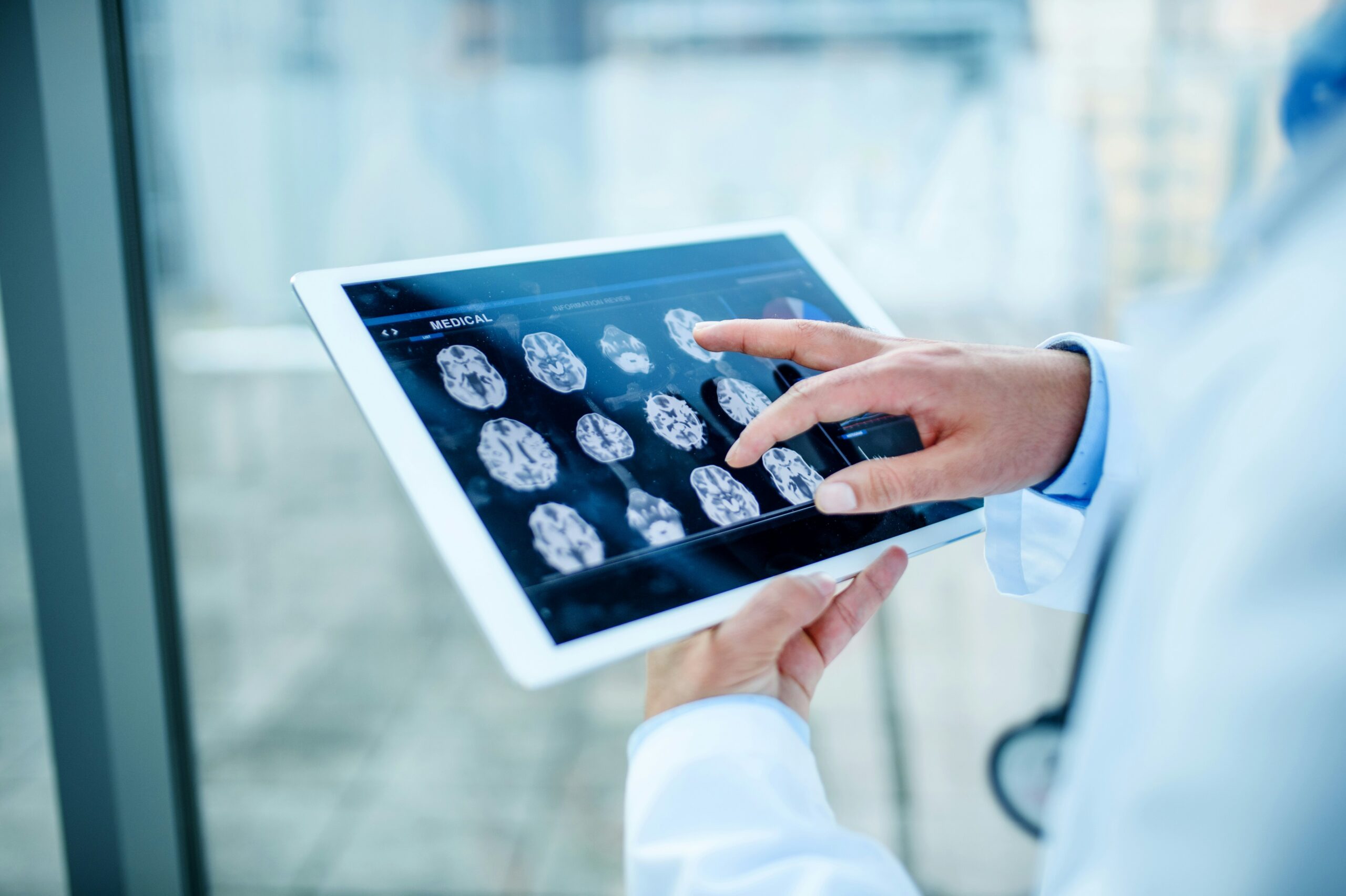
Medical technology is moving faster than ever before, reshaping how diseases are diagnosed, treated, and even prevented. What once seemed like science fiction is now becoming part of everyday healthcare. From intelligent machines to personalized treatments, revolutionary medical technologies are changing the game by making care more precise, accessible, and effective. These innovations not only extend lives but also improve the quality of life for millions of people worldwide.
Artificial Intelligence Transforming Diagnosis and Decision-Making
Artificial intelligence has become one of the most powerful forces in modern medicine. By analyzing massive amounts of medical data, AI systems can detect patterns that are often invisible to the human eye. This has led to faster and more accurate diagnoses, especially in fields such as radiology, pathology, and cardiology.
AI-powered imaging tools can identify early signs of cancer, neurological disorders, and heart disease with remarkable precision. Doctors can now receive decision support that helps them choose the most effective treatment plans based on patient history and real-time data. As a result, errors are reduced, outcomes improve, and patients receive care that is better tailored to their needs.
Wearable Devices Bringing Healthcare Into Daily Life
Wearable medical technology has transformed how people monitor their health. Smartwatches and health trackers now measure heart rate, oxygen levels, sleep quality, and physical activity throughout the day. These devices provide continuous health data rather than relying solely on occasional doctor visits.
For individuals with chronic conditions, wearables can be life-changing. They alert users and healthcare providers to abnormal readings before serious problems develop. This constant monitoring encourages early intervention, better disease management, and a more proactive approach to personal health.
Telemedicine Expanding Access to Quality Care
Telemedicine has redefined the patient-doctor relationship by removing distance as a barrier to care. Through secure video calls and digital platforms, patients can consult healthcare professionals from the comfort of their homes. This technology has proven especially valuable for people in remote areas and those with limited mobility.
Beyond convenience, telemedicine improves efficiency in the healthcare system. It reduces waiting times, lowers costs, and allows doctors to monitor patients more closely through virtual follow-ups. As digital infrastructure continues to improve, remote healthcare is becoming a trusted and essential part of modern medical services.
Robotics Enhancing Precision in Surgery
Robotic-assisted surgery is another revolutionary medical technology changing how complex procedures are performed. These advanced systems allow surgeons to operate with enhanced precision, flexibility, and control. Smaller incisions, reduced blood loss, and faster recovery times are some of the key benefits for patients.
Robotic technology also enables procedures that were once impossible and minimally invasive. Surgeons can now perform delicate operations on the brain, heart, and spine with greater confidence. As robotic systems continue to evolve, they are setting new standards for surgical safety and accuracy.
Personalized Medicine: Tailoring Treatment to the Individual
Personalized medicine is shifting healthcare away from a one-size-fits-all approach. By using genetic testing and advanced data analysis, doctors can understand how a person’s unique biology affects their response to medications and treatments.
This technology is especially impactful in cancer care, where targeted therapies are designed to attack specific genetic mutations. Patients experience fewer side effects and better results because treatments are customized to their genetic makeup. Personalized medicine represents a significant step toward more effective and compassionate healthcare.
3D Printing Revolutionizing Medical Solutions
3D printing is opening new possibilities in medical innovation. From custom prosthetics to surgical models, this technology enables highly personalized solutions at a lower cost. Doctors can now print patient-specific implants and tools that fit perfectly, improving comfort and success rates.
In some cases, 3D printing is even being used to create biological tissues for research and testing. While still in development, this technology holds promise for future organ replacement and regenerative medicine. Its flexibility and speed make it a powerful tool in modern healthcare.
Biotechnology Driving New Treatment Frontiers
Advances in biotechnology are unlocking new ways to treat diseases at their source. Gene therapy, for example, aims to correct faulty genes responsible for inherited conditions. Instead of managing symptoms, these treatments target the disease’s root cause.
Immunotherapy is another breakthrough, using the body’s own immune system to fight serious illnesses. These innovative approaches are changing how doctors think about treatment, offering hope for conditions that were once considered untreatable.
A New Era of Smarter, More Human Healthcare
Revolutionary medical technologies are not replacing healthcare professionals; they are empowering them. By combining human expertise with advanced tools, medicine is becoming more accurate, efficient, and patient-centered. These innovations are shaping a future where prevention is prioritized, treatments are personalized, and care is accessible to more people than ever before.
As technology evolves, the healthcare landscape will change in remarkable ways. The ultimate goal remains the same: to heal, to protect, and to improve lives. With these groundbreaking advancements, the future of medicine has never looked more promising.